Why Is My Kitten Hiding? Understanding Normal Kitten Adjustment Behavior
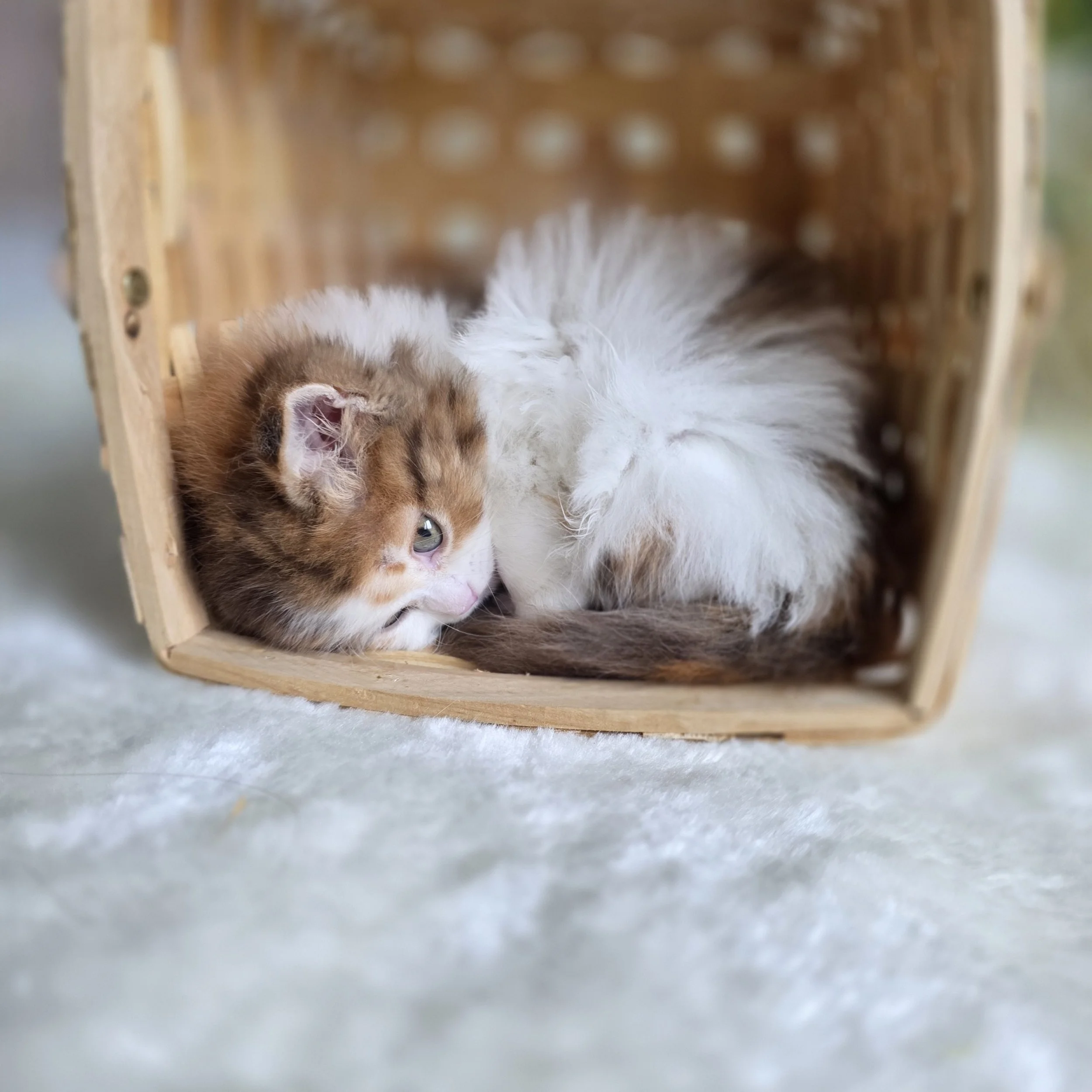
Complete New Kitten Adjustment Guide
Bringing home a new kitten is exciting, but many new owners become worried when their kitten immediately hides under furniture, inside a carrier, or in a quiet corner.
The good news is that hiding is often completely normal behavior during the adjustment period.
At BestOfTheBest Kittens, we regularly guide families through the first days and weeks after bringing home a Scottish Fold, Scottish Straight, or British Shorthair kitten. Every kitten adjusts differently, and patience is one of the most important parts of helping them feel safe.
Why Do Kittens Hide in a New Home?
For a kitten, moving to a new home is a huge life change.
Your kitten has suddenly left:
Their mother
Littermates
Familiar smells
Known routines
Their previous environment
Even friendly and social kittens may initially feel overwhelmed by:
New sounds
New people
New pets
Large unfamiliar spaces
Different smells and routines
Hiding is a natural survival instinct that helps kittens feel protected while they slowly learn that their new environment is safe.
Hiding Is Often Completely Normal
Some kittens begin exploring immediately, while others may hide for several hours, days, or even longer.
This does not automatically mean something is wrong.
Every kitten has:
A unique personality
Different confidence levels
Different adjustment timelines
More cautious kittens often simply need additional time and patience.
The goal is not to force confidence, but to allow confidence to develop naturally.
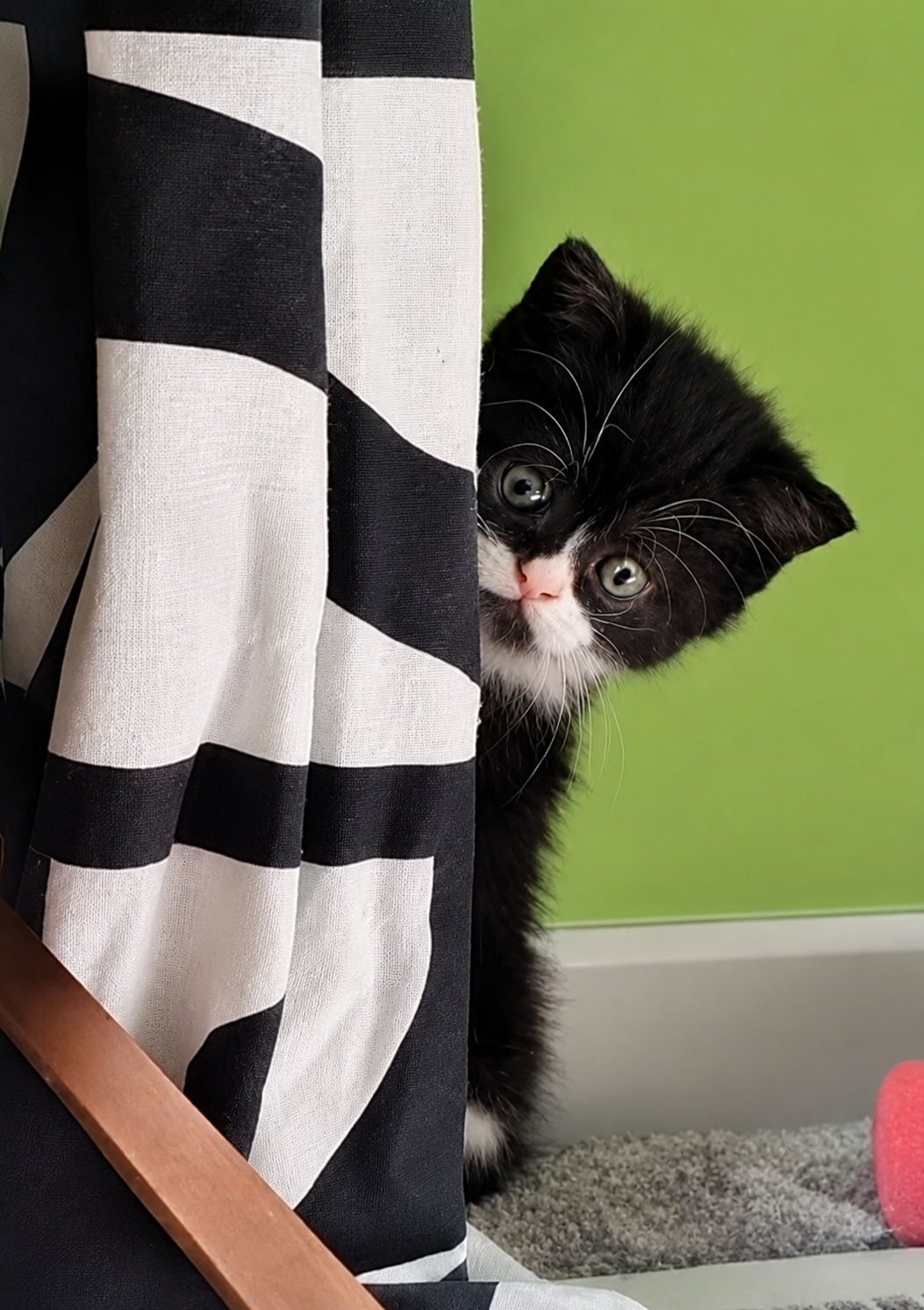
Black bicolor Scottish Fold kitten peeking from behind soft curtains during the first days of adjusting to a new home, showing cautious but curious behavior in a quiet environment.
Start With One Quiet Safe Room
One of the best ways to reduce stress is to begin with a quiet safe room instead of giving the kitten access to the entire home immediately.
Your kitten’s room should include:
Food and water
Litter box
Soft bedding
Toys
Scratching post
Hiding spaces
A smaller environment feels much safer to a nervous kitten and allows them to gradually adjust without becoming overwhelmed.
Let Your Kitten Approach You
One of the biggest mistakes owners make is trying to force interaction too quickly.
Avoid:
Pulling the kitten out of hiding
Constant handling
Loud excitement
Crowding the kitten
Introducing many visitors immediately
Instead:
Sit quietly nearby
Speak softly
Offer treats or toys
Allow the kitten to observe you
Let the kitten come to you voluntarily
Trust develops much faster when the kitten feels in control and safe.
Eating, Stool, and Litter Box Habits Matter
During the adjustment period, monitor:
Appetite
Water intake
Stool quality
Urination
Litter box use
Energy level
Mild temporary appetite changes or soft stool can sometimes occur during stressful transitions.
However, persistent symptoms should never be ignored.
When Hiding May Signal a Medical Problem
Although hiding is commonly stress-related, it is important to watch for signs that may require veterinary attention.
Contact your veterinarian if your kitten:
Refuses food for an extended period
Has ongoing diarrhea
Vomits repeatedly
Appears lethargic
Has breathing or eye issues
Stops drinking water
Avoids the litter box completely
A veterinary wellness exam shortly after bringing your kitten home is always recommended.
Introducing Other Pets Too Soon Can Increase Stress
Your kitten should first adjust to:
Their safe room
Their new routine
New family members
Eating and litter habits
Only after your kitten feels comfortable and medically stable should introductions to existing pets begin.
Introducing cats or dogs too quickly can increase stress and slow adjustment.
Every pet relationship develops on its own timeline.
Building Confidence Through Routine
Cats feel safest with predictable routines.
Keeping feeding, cleaning, and play schedules consistent helps reduce anxiety and builds confidence.
Interactive play sessions can also help nervous kittens become more comfortable in their new environment.
Signs Your Kitten Is Becoming Comfortable
Positive adjustment signs include:
Exploring the room
Eating normally
Using the litter box consistently
Playing
Grooming
Relaxing openly near people
Seeking attention voluntarily
These behaviors often appear gradually as trust grows.
Never Rush the Process
Some kittens adjust quickly. Others need much more time.
You cannot force a kitten to feel safe before they are emotionally ready.
Patience, calm handling, and consistency are the keys to successful adjustment.
Sometimes the quietest kittens become the most affectionate companions once they fully settle into their new homes.
Final Thoughts
Hiding is often a completely normal part of kitten adjustment. A calm environment, safe room setup, veterinary care, and gentle patience help kittens build confidence naturally.
At BestOfTheBestKittens, our Scottish Fold, Scottish Straight, and British Shorthair kittens are raised with socialization and loving care to help support smoother transitions into their new families. Still, every kitten is unique and deserves time, space, and understanding during this important change.
Allow trust to grow at your kitten’s pace, and focus on creating a calm, safe, and positive environment from the very beginning.
Veterinary & Cat Care Resources
Cornell Feline Health Center
Excellent trusted resource for feline diseases, behavior, nutrition, and preventive care.PetMD Cat Care Center
Popular educational resource covering grooming, behavior, nutrition, and kitten care.Fear Free Pets
Helpful resource focused on reducing stress and anxiety during veterinary visits, grooming, and home transitions.