
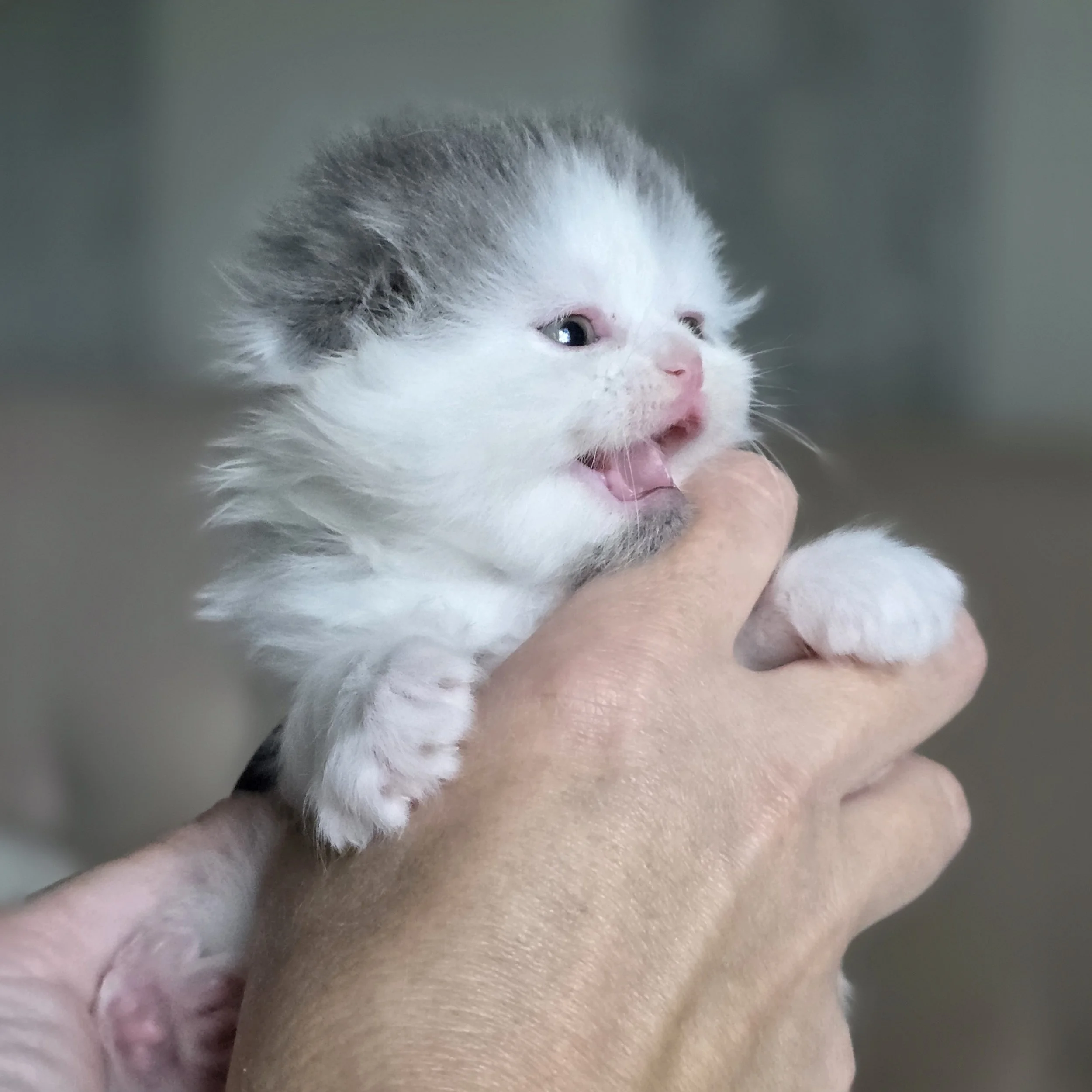
Caring for Your Scottish Fold, Scottish Straight, and British Shorthair Kitten
Caring for a Scottish Fold, Scottish Straight, Highland, or British Shorthair kitten involves more than enjoying their adorable appearance. These breeds require thoughtful attention to nutrition, hygiene, health care, and daily interaction to grow into balanced, healthy companions.
Proper care from the beginning supports strong development, a stable temperament, and long-term well-being.
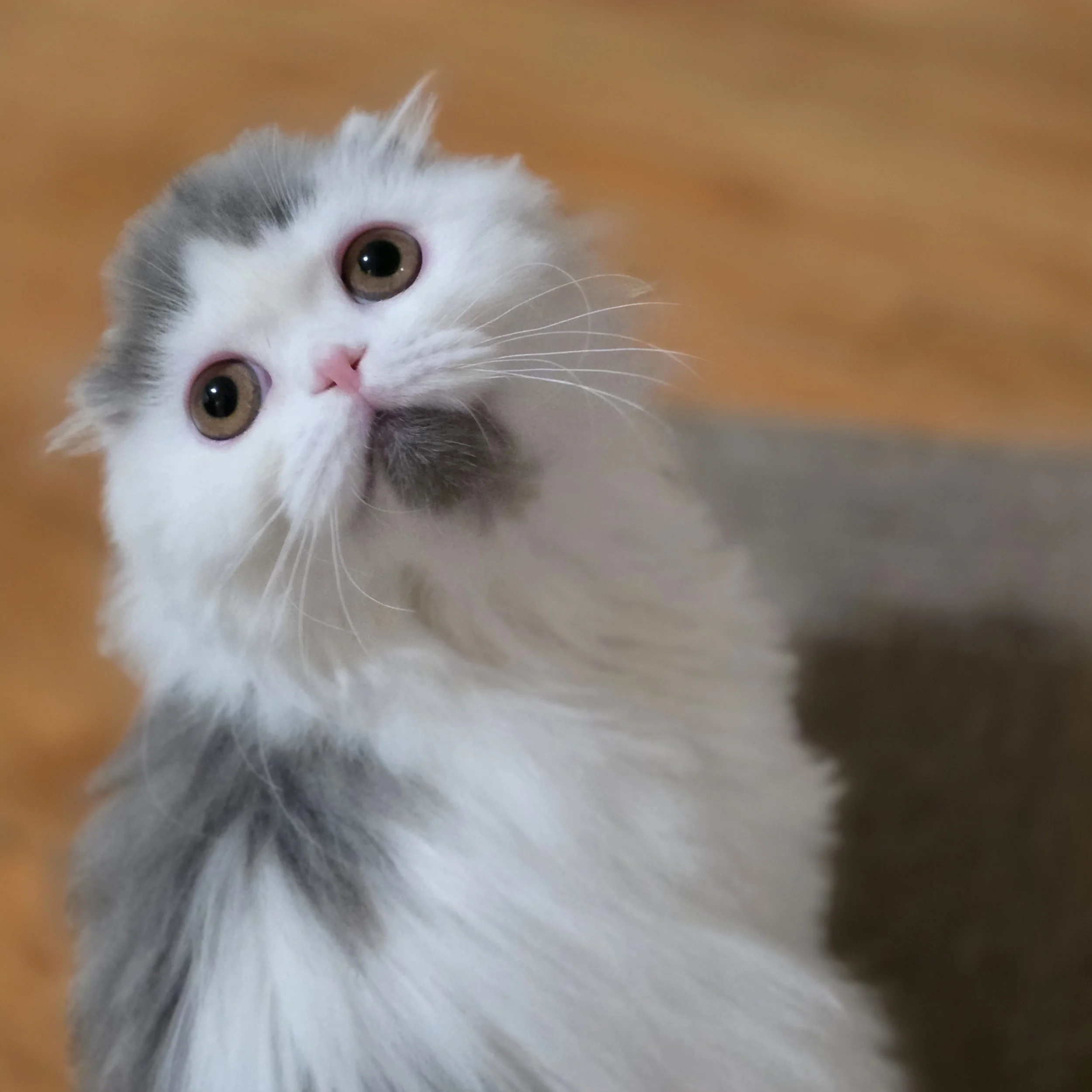
Raised with care. Placed with love.
Nutrition: The Foundation of Good Health
A balanced diet is essential during the first year of life, when kittens experience rapid growth.
Food Choices
Choose premium-quality dry or wet food formulated specifically for kittens. High-quality nutrition supports:
Coat quality: dense, soft, and well-conditioned fur
Immune health: stronger resistance to illness
Digestion: healthy gut function
Growth: proper bone and muscle development
Avoid foods with excessive grains, artificial colors, or unnecessary fillers.
Natural / Raw Feeding
If you prefer a raw diet, use fresh lean meats such as chicken, turkey, beef, or rabbit. Meat should be frozen for at least three days at –18 °C to reduce parasite risk. Always consult your veterinarian about necessary supplements to maintain nutritional balance.
Feeding Frequency
Up to 4 months: 4–5 meals daily
4–8 months: 3–4 meals daily
After 8 months: 2–3 meals daily
Vaccinations: Protecting Your Kitten’s Health
Vaccinations are critical to protect kittens from serious and potentially fatal diseases.
Typical Vaccination Schedule
6–8 weeks: First FVRCP vaccine
10–12 weeks: Second FVRCP booster
14–16 weeks: Final FVRCP and first rabies vaccine (required in the U.S.)
Annually: Booster vaccinations
These vaccines protect against panleukopenia, calicivirus, herpesvirus, and rabies.
Hygiene: Bowls, Water, and Clean Habits
Daily hygiene plays an important role in overall health.
Food and Water Bowls
Use glass, ceramic, or stainless steel only
Wash bowls daily
Avoid plastic bowls, which can harbor bacteria and contribute to feline acne.
Water
Change water 1–2 times daily
Fresh water supports hydration and urinary health
General Grooming and Maintenance
Small routine habits make a big difference:
Ears: Clean gently every two weeks with a damp cotton pad
Eyes: Remove discharge with warm water on a cotton pad
Nails: Trim every 2–3 weeks
Love, Attention, and Bonding
These breeds are affectionate and people-oriented. Regular interaction helps build trust and confidence.
Spend time holding, talking to, and gently playing with your kitten. Emotional security is just as important as physical care.
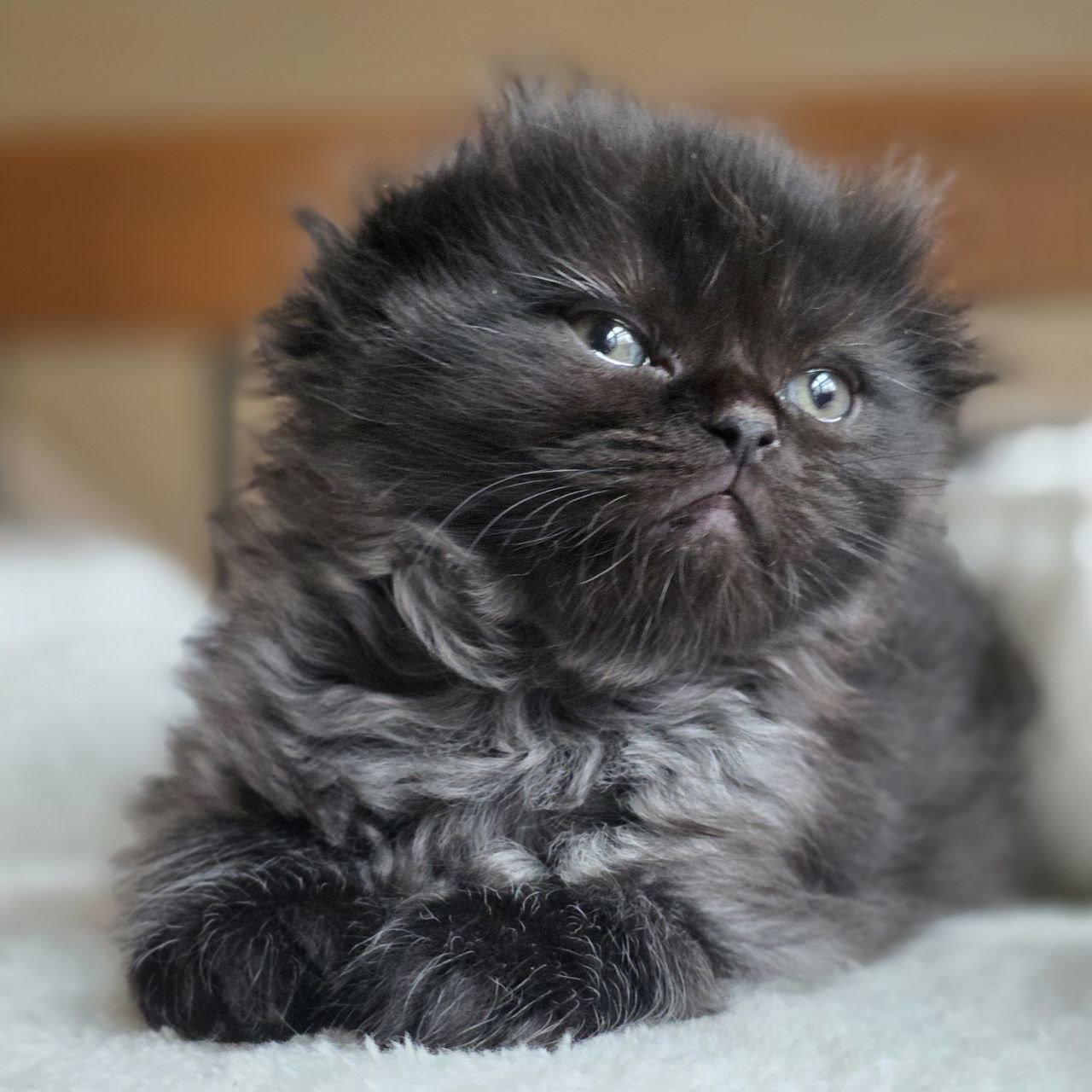
Coat Care and Grooming
Scottish and British breeds are known for their dense coats, which require regular maintenance.
Brushing
Short-haired kittens: once weekly
Long-haired kittens: 2–3 times per week
Bathing
Only when necessary
Use kitten-safe shampoo to protect sensitive skin
Playtime and Development
Provide toys, scratching posts, and safe areas for climbing and exploration. Play supports physical strength, coordination, and mental development.
Scottish Fold, Scottish Straight, Highland, and British Shorthair kittens benefit from calm but consistent activity rather than overstimulation.
Final Thoughts
Caring for a Scottish Fold, Scottish Straight, Highland, or British Shorthair kitten is a long-term commitment that begins with proper nutrition, hygiene, medical care, and attention.
A thoughtful approach during kittenhood creates a healthy, well-adjusted companion for years to come.