Top Mistakes New Kitten Owners Make
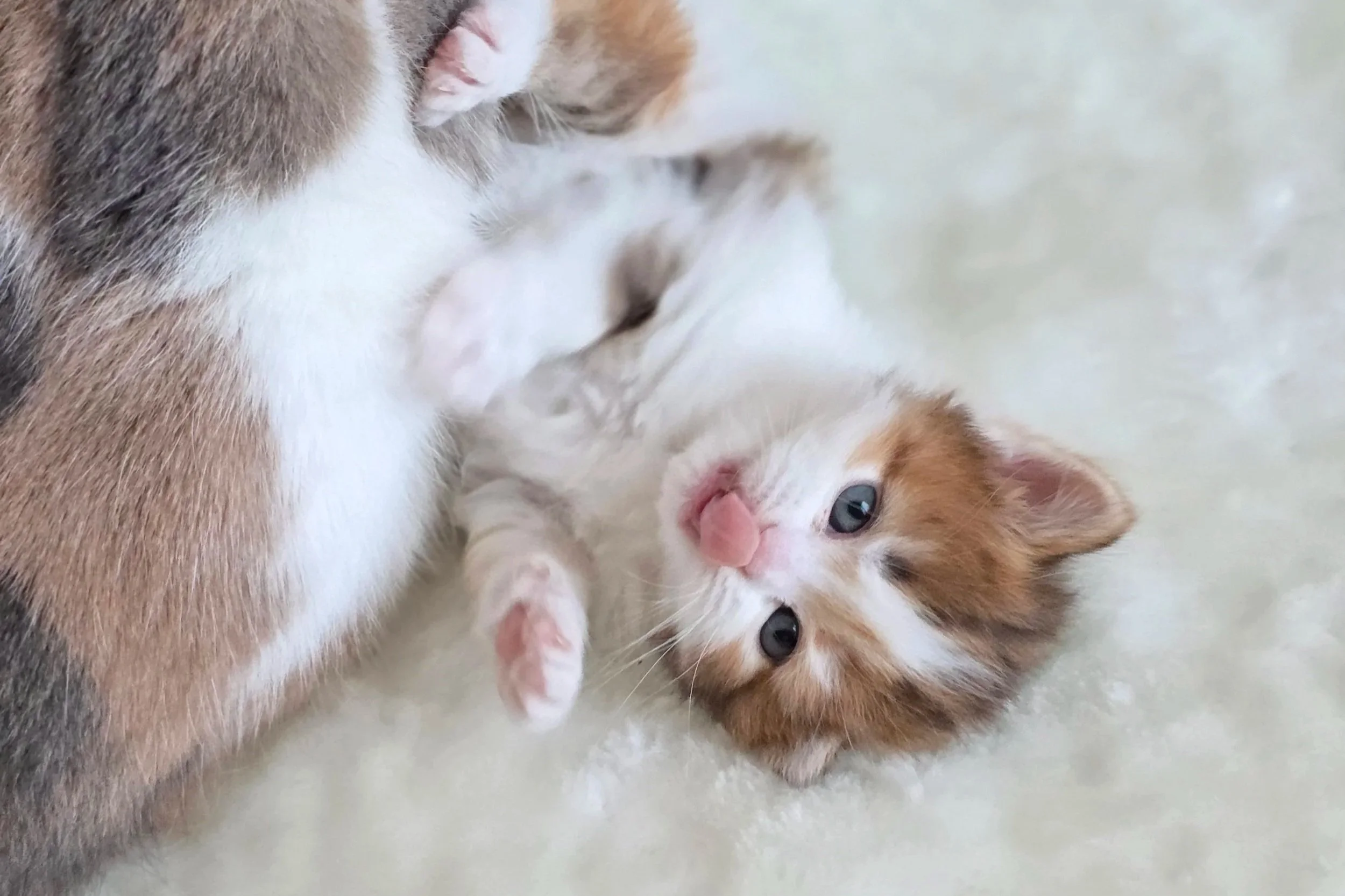
New Kitten Owner Guide
Bringing home a new kitten is exciting, emotional, and sometimes overwhelming — especially for first-time cat owners. Scottish Fold, Scottish Straight, and British Shorthair kittens are loving and adaptable companions, but like all kittens, they need time, patience, and proper care to adjust successfully.
At BestOfTheBestKittens, we often help families navigate the first weeks after bringing home a kitten. Many common mistakes come from excitement and good intentions, not from lack of care.
Understanding these mistakes early can help create a smoother and less stressful transition for both you and your kitten.
1. Giving the Kitten Access to the Entire House Too Quickly
One of the most common mistakes is allowing a new kitten full access to the home immediately after arrival.
Large unfamiliar spaces can overwhelm kittens and increase stress, hiding behavior, and confusion.
Instead, begin with:
One quiet safe room
Food and water
Litter box
Soft bedding
Toys and scratching post
A smaller controlled environment helps kittens build confidence gradually.
2. Introducing Other Pets Too Fast
Many owners hope their pets will become friends immediately, but rushed introductions can create fear and long-term tension.
Your kitten should first adjust to:
Their new environment
New routines
Eating and litter habits
New family members
Only after the kitten feels comfortable and medically stable should introductions to cats or dogs begin.
Every pet relationship develops at its own pace.
3. Forcing Interaction
New kittens may initially hide or avoid contact. This is often completely normal.
Avoid:
Pulling kittens out of hiding spots
Constant holding
Overhandling
Crowding the kitten
Instead:
Sit quietly nearby
Speak softly
Offer toys and treats
Allow the kitten to approach voluntarily
Trust grows faster when kittens feel safe and in control.
4. Ignoring Early Signs of Stress
Stress can affect kittens physically and emotionally during transitions.
Watch carefully for:
Reduced appetite
Soft stool
Hiding
Lethargy
Excessive vocalization
Changes in litter box habits
Mild temporary adjustment symptoms can occur, but persistent problems should always be discussed with a veterinarian.
5. Skipping the Initial Veterinary Checkup
Even healthy kittens should visit a veterinarian shortly after arriving home.
A wellness exam helps:
Establish veterinary care
Monitor adjustment
Address stress-related symptoms early
Review vaccines and nutrition
Ensure the kitten is medically stable
Veterinary care is especially important before introducing the kitten to other household pets.
6. Using Unsafe Plants or Household Items
Many everyday household items can be dangerous for kittens.
Common hazards include:
Toxic plants
String and ribbons
Small swallowable objects
Essential oils
Open windows
Human medications
Kittens are naturally curious and explore with their mouths and paws.
Kitten-proofing your home is essential.
7. Using the Wrong Litter Setup
Some kittens become confused or stressed if the litter setup changes too suddenly.
Common mistakes:
Covered litter boxes too early
Strongly scented litter
Poor litter box placement
Too few litter boxes
Keep litter boxes:
Easy to access
Quietly located
Clean
Consistent with what the kitten already knows when possible
8. Overstimulating the Kitten
During the first days home, too much activity can overwhelm a kitten.
Avoid:
Loud gatherings
Frequent visitors
Constant excitement
Excessive handling by children
A calm predictable environment helps kittens adjust more comfortably.
9. Expecting Immediate Confidence
Some kittens settle quickly. Others need days or weeks to fully relax.
Every kitten has:
Different personality traits
Different confidence levels
Different adjustment timelines
Confidence cannot be forced.
Patience is one of the most important parts of kitten ownership.
10. Not Providing Enough Enrichment
Kittens need mental and physical stimulation for healthy development.
Without proper enrichment, kittens may develop:
Boredom
Excessive biting
Scratching issues
Nighttime hyperactivity
Provide:
Interactive play
Scratching posts
Climbing opportunities
Toys
Daily engagement
Play is essential for healthy development and bonding.
11. Punishing Normal Kitten Behavior
Scratching, climbing, zoomies, and playful biting are normal kitten behaviors.
Punishment often creates fear and confusion rather than learning.
Instead:
Redirect behavior appropriately
Reward positive behavior
Provide outlets for natural instincts
Patience and consistency work much better than punishment.
12. Forgetting That Adjustment Takes Time
The biggest mistake of all is expecting perfection immediately.
Your kitten is learning:
New people
New routines
New smells
New sounds
New rules
Adjustment is a gradual process, not a single moment.
Final Thoughts
Most new kitten owner mistakes happen because people are excited and eager to bond quickly. Fortunately, patience, calm routines, and gentle handling help kittens adjust successfully over time.
At BestOfTheBestKittens, our Scottish Fold, Scottish Straight, and British Shorthair kittens are raised with socialization, routine, and loving care to help support smoother transitions into their new homes. Every kitten is unique, and successful adjustment always happens at the kitten’s own pace.
Creating a calm, safe, and predictable environment gives your kitten the best possible start in their new family.
Veterinary & Cat Care Resources
American Veterinary Medical Association (AVMA)
Good for veterinary wellness and pet care references.ASPCA Cat Care Guide
Helpful general cat care resource.International Cat Care
Excellent educational resource for stress reduction and cat behavior.AAFP – American Association of Feline Practitioners
Trusted feline health and behavior information.