How to Reduce Stress During Your Kitten’s First Week Home
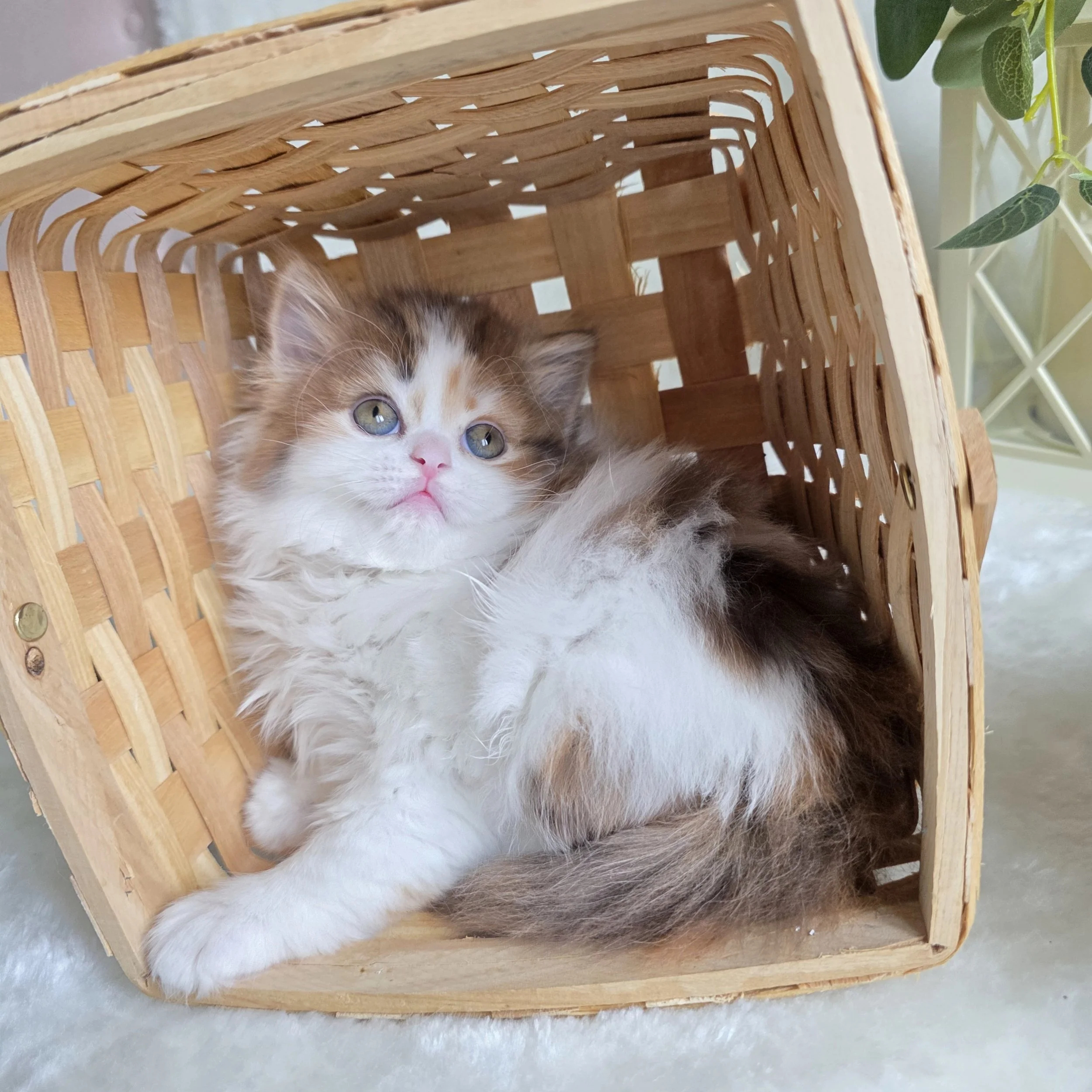
Bringing home a new kitten is an exciting experience, but for your kitten, the first week can feel overwhelming and stressful.
Even the most confident Scottish Fold, Scottish Straight, or British Shorthair kitten is suddenly adjusting to a completely new environment, unfamiliar smells, new people, and a different routine.
The first week sets the foundation for your kitten’s confidence, comfort, and trust in their new home. Patience, routine, and a calm environment are essential during this important transition period.
Why the First Week Matters
Your kitten has recently left:
Their mother
Littermates
Familiar surroundings
Known routines and scents
Even well-socialized kittens may initially:
Hide
Eat less
Sleep more
Vocalize at night
Have mild stress-related digestive changes
This adjustment period is normal and should be approached with understanding and patience.
Start With One Quiet Safe Room
One of the biggest mistakes new owners make is giving a kitten access to the entire home too quickly.
Instead, prepare one quiet room where your kitten can safely adjust during the first days.
Your kitten’s safe room should include:
Food and water
Litter box
Comfortable bedding
Scratching post
Toys
Hiding spots
Soft lighting and quiet surroundings
A smaller space helps kittens feel secure and prevents them from becoming overwhelmed.
Allow your kitten to gradually gain confidence before expanding access to larger areas of the home.
Let Your Kitten Adjust at Their Own Pace
Some kittens explore immediately, while others may hide for several days. Every kitten has a different personality and adjustment timeline.
Do not force interaction or pull your kitten out of hiding spaces.
Instead:
Sit quietly nearby
Speak softly
Offer treats or toys
Allow your kitten to approach you voluntarily
Building trust naturally creates a much stronger bond.
Keep the Environment Calm
The first week should be calm and low-stress.
Try to avoid:
Loud noises
Large gatherings
Frequent visitors
Overhandling
Constant interruptions
Children should also be taught to interact gently and respectfully while the kitten is adjusting.
Monitor Eating, Stool, and Litter Box Habits
Stress can temporarily affect digestion and appetite in kittens.
During the first week, monitor:
Appetite
Water intake
Stool consistency
Litter box use
Energy level
Mild temporary soft stool or reduced appetite can occur during transitions, but persistent symptoms should always be discussed with your veterinarian.
A consistent routine helps kittens feel secure and supports healthy adjustment.
Schedule a Veterinary Checkup
After bringing your kitten home, schedule a wellness visit with your veterinarian.
A post-arrival checkup helps:
Establish veterinary care
Confirm your kitten is adjusting well
Address any stress-related concerns early
Discuss nutrition, vaccines, and preventive care
Before introducing your kitten to other household pets, it is important that your kitten is:
Eating normally
Using the litter box consistently
Medically stable
Free from contagious illness or stress-induced conditions
Introduce Other Pets Slowly
Your kitten should first adjust to:
Their safe room
Their new routine
You and your family
Only after your kitten is comfortable and healthy should introductions to existing cats or dogs begin.
Pet introductions should always be:
Gradual
Supervised
Calm
Based on each pet’s comfort level
Some pets adjust quickly, while others need much more time. Relationships cannot be rushed or forced.
Maintain a Consistent Routine
Cats thrive on routine and predictability.
Try to keep:
Feeding times
Playtime
Cleaning routines
Sleeping environment
consistent each day.
A stable routine helps reduce anxiety and builds confidence.
Use Play and Positive Interaction
Interactive play helps kittens:
Build confidence
Release nervous energy
Bond with their new owners
Feel comfortable in the environment
Short positive play sessions using wand toys or soft toys are ideal during the adjustment period.
Be Patient With Nighttime Crying
Some kittens may cry during the first few nights as they adjust to sleeping alone.
Helpful tips include:
Providing a warm soft bed
Keeping the room comfortably quiet
Offering safe comfort toys
Maintaining a bedtime routine
Most kittens settle naturally once they feel safe and secure.
Signs Your Kitten Is Adjusting Well
Positive signs include:
Exploring confidently
Eating normally
Using the litter box consistently
Playing and interacting
Relaxed body language
Seeking affection
Remember that adjustment happens gradually, not overnight.
Final Thoughts
The first week home is a major transition for any kitten. Creating a calm, safe, and predictable environment allows your kitten to build trust and confidence at their own pace.
At BestOfTheBest Kittens, our Scottish Fold, Scottish Straight, and British Shorthair kittens are raised with love, socialization, and careful preparation for their future homes. Even so, every kitten adjusts differently, and patience is one of the most important gifts you can give your new companion.
Allow your kitten time to settle, observe their behavior closely, and focus on building a relationship based on trust, comfort, and positive experiences.
Veterinary & Cat Care Resources
American Veterinary Medical Association (AVMA)
Good for veterinary wellness and pet care references.ASPCA Cat Care Guide
Helpful general cat care resource.International Cat Care
Excellent educational resource for stress reduction and cat behavior.AAFP – American Association of Feline Practitioners
Trusted feline health and behavior information.