Kitten Colors: Where Do They Come From?
Black, Red, and All Their Shades
When future owners choose a kitten, the very first thing they notice is always the color.
But behind every beautiful coat lies genetics — the precise science that determines which kittens can be born and why.
At BestOfTheBest Cattery, where we breed both Scottish and British cats, we have wonderful real-life examples that help explain a fascinating truth:
Almost all cat colors start from just two basic pigments — black and red.
The Two Foundation Pigments
Black — The Foundation of the Dark Color Group
Black (B) is the dominant dark pigment. From black come several familiar shades:
Blue (diluted black)
Chocolate
Lilac (diluted chocolate)
Even if you visually see a chocolate or lilac kitten, the genetic foundation is still black pigment modified by additional genes.
Dilution (dd) softens black into blue and chocolate into lilac — but the base remains the same.
Red — The “Female” Palette
Red (O) works differently.
It is linked to the X chromosome, which makes its inheritance pattern unique.
Male kittens (XY) need only one red gene to be red.
Female kittens (XX) need two red genes to be fully red.
If a female receives one red gene and one non-red gene, she becomes tortoiseshell.
This is why:
Tortoiseshell cats are almost always female.
Red males are common.
Red females are less common.
Tortoiseshell is always a combination of black-based pigment + red pigment.
It may look magical — but genetically, it is very predictable.
Real Examples from BestOfTheBest Cattery
Genetics becomes much easier to understand when we look at real breeding examples.
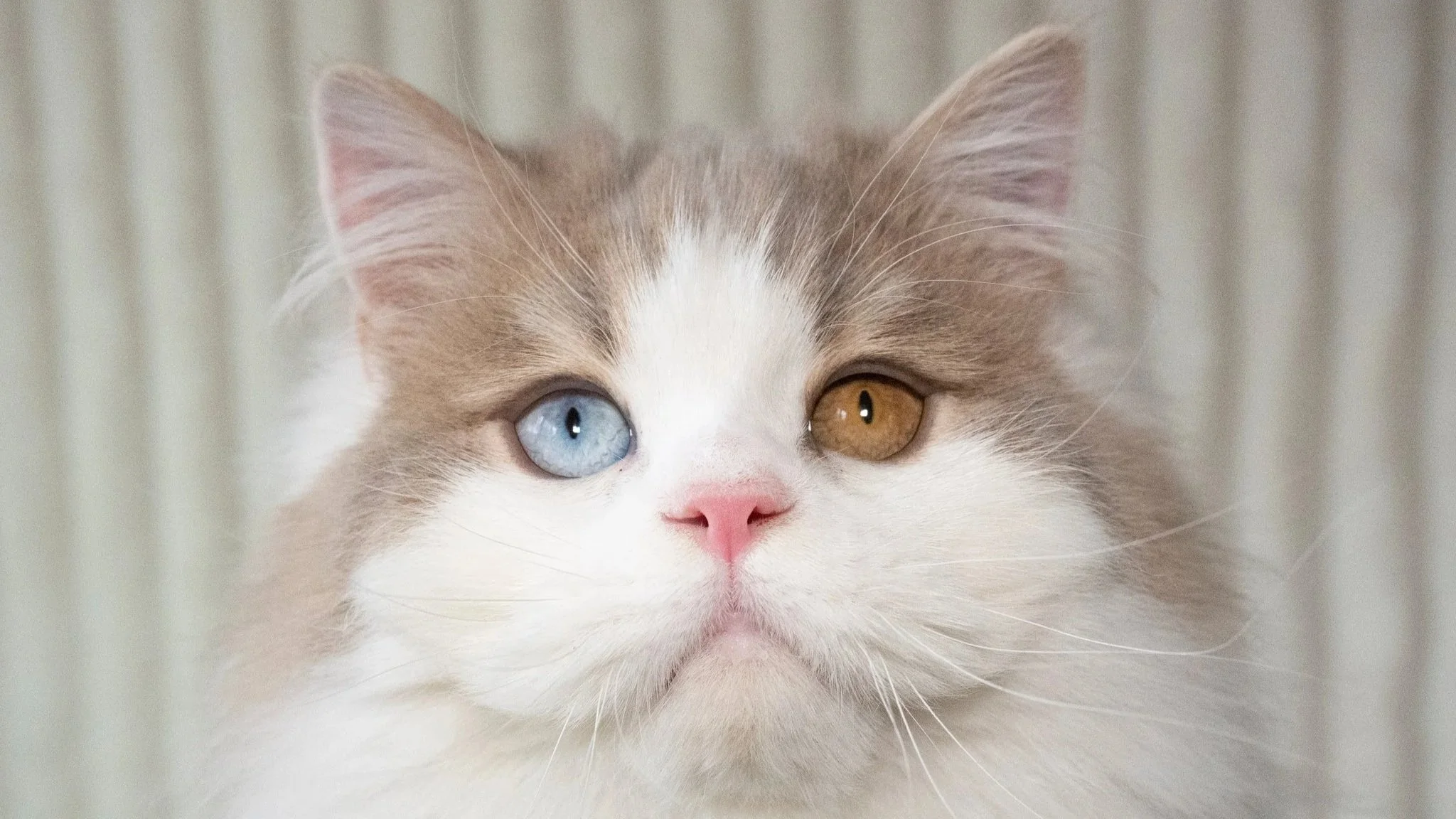
Blue-Cream Female × Chocolate Male
Mother:
Blue-cream (black + red + dilution dd)
Father:
Chocolate (bb, no red)
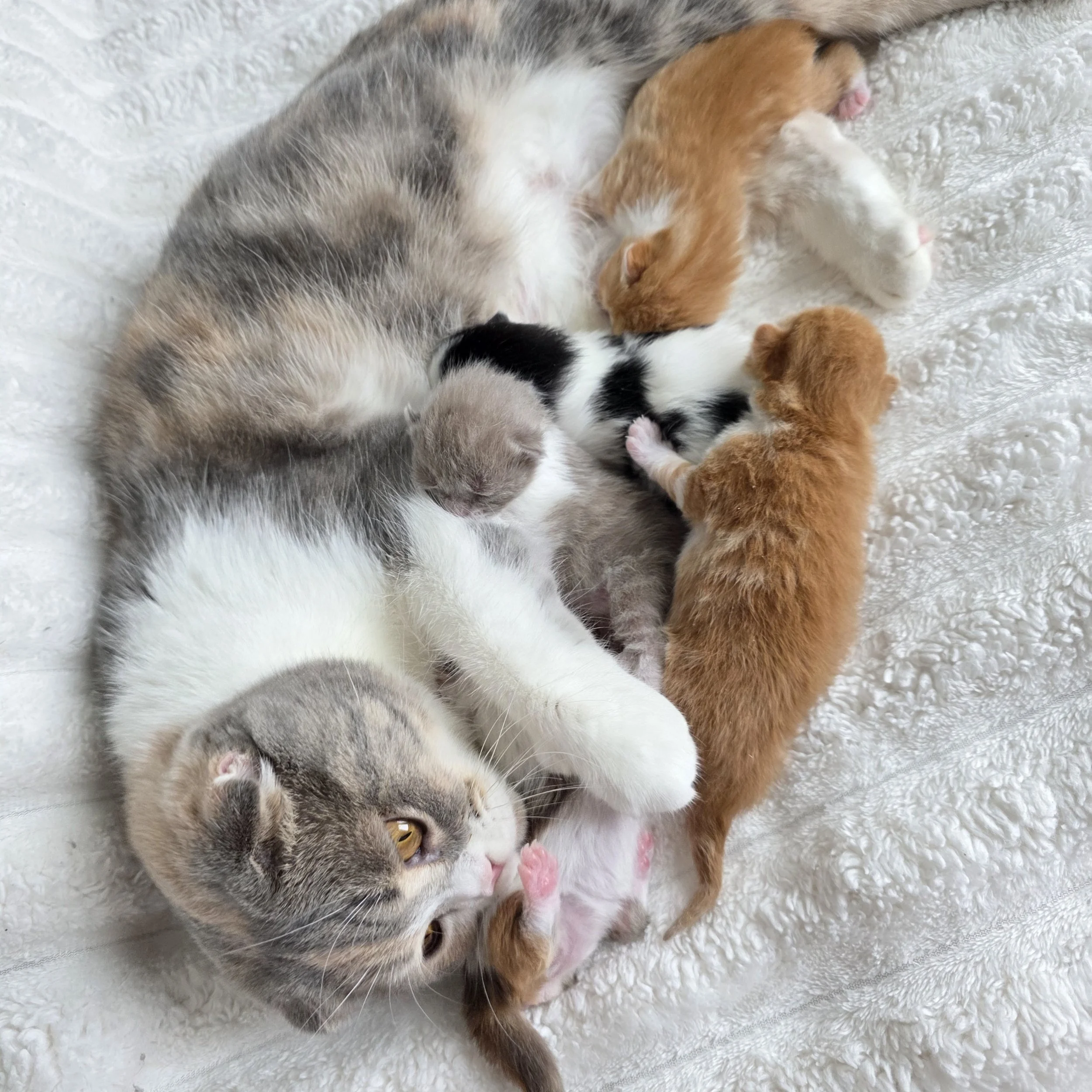
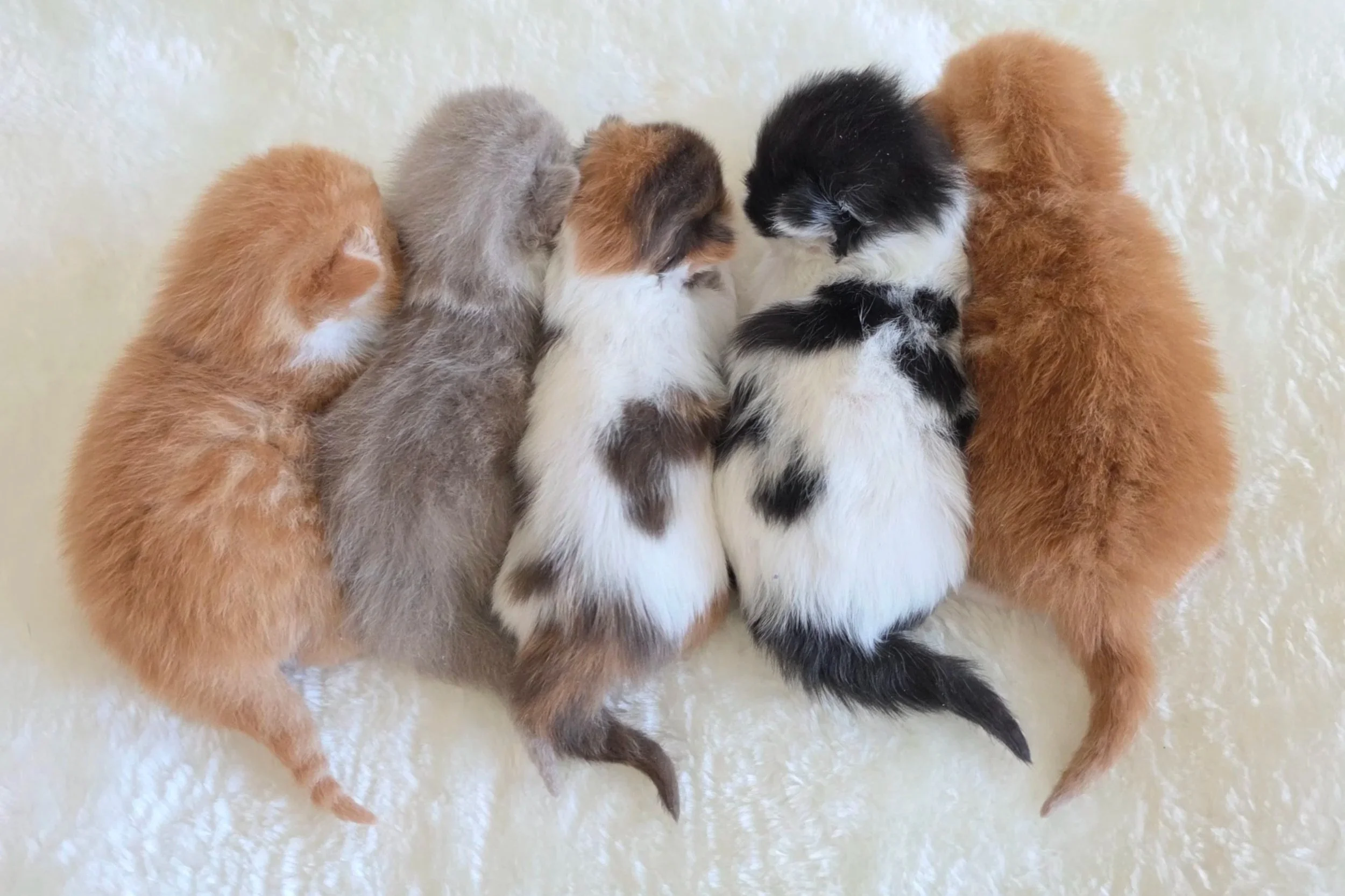
Resulting Kittens:
Blue kitten (diluted black)
Chocolate tortoiseshell with red
Red male
Even though only two visible colors appear in the parents, the genetic combinations create multiple possibilities.
Mom’s dilution gene creates blue and cream shades.
Dad’s chocolate gene adds chocolate tones.
The red gene produces the red male.
Females inherit combinations, producing tortoiseshell variations.
Genetics is never random — it follows rules.
Chocolate-Red Tortoiseshell × Brown Male
Mother:
Chocolate-red tortoiseshell
Father:
Brown (black pigment + tabby, no dilution)
Resulting Kittens:
Cream kitten (diluted red)
Brown kitten (black pigment + tabby, no dilution)
Even when both parents appear dark or richly colored, kittens can surprise you.
Every breeding is a small genetic puzzle.
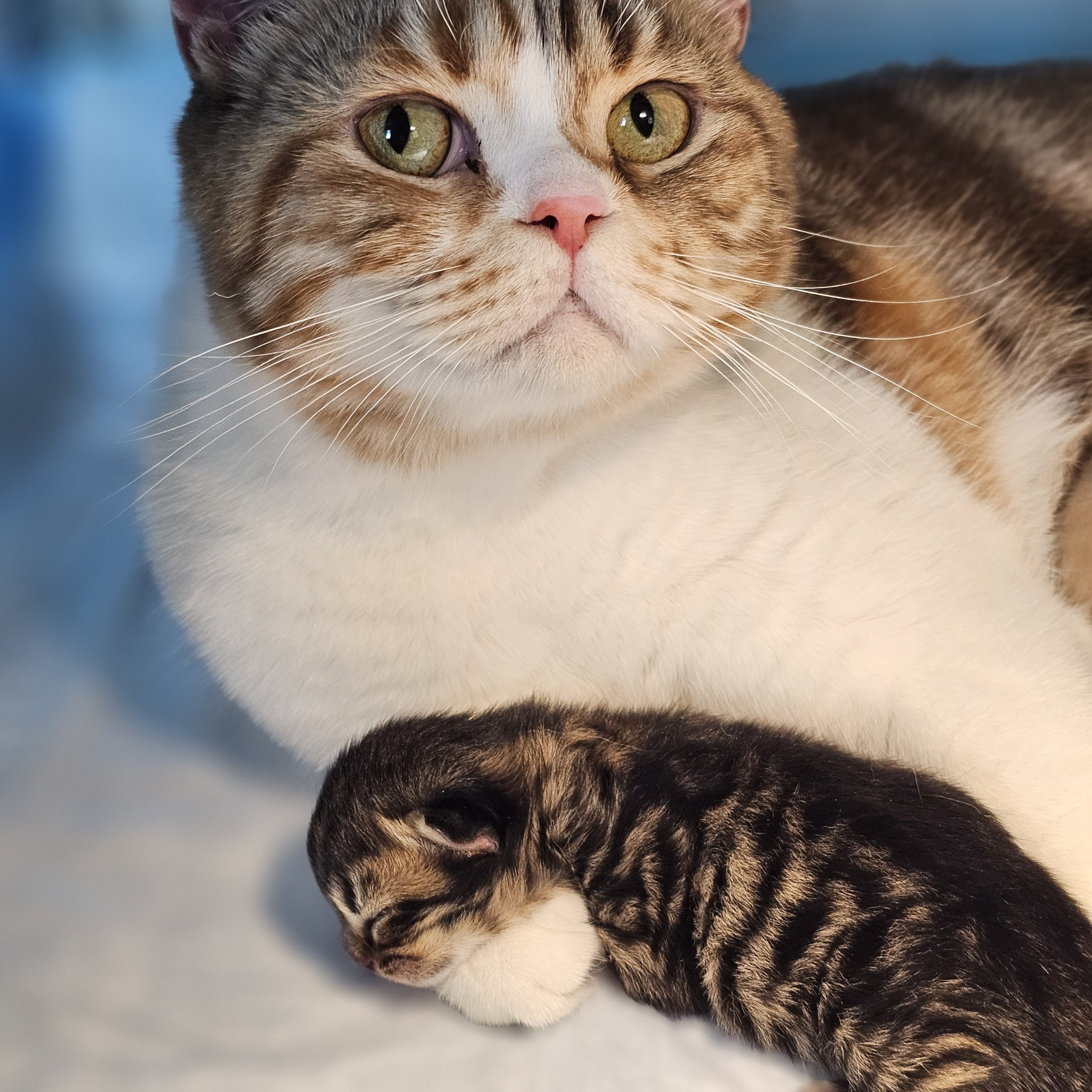
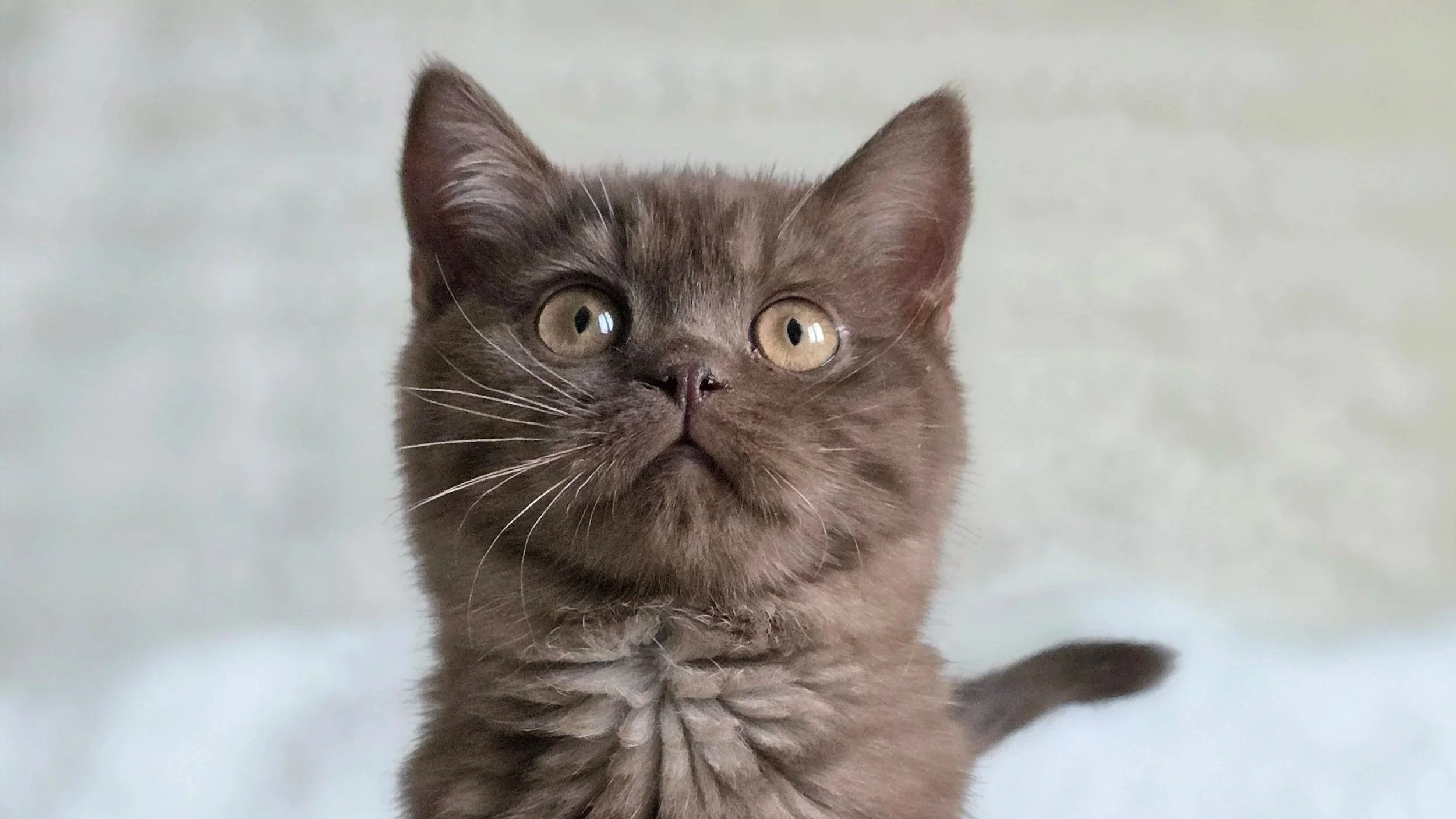
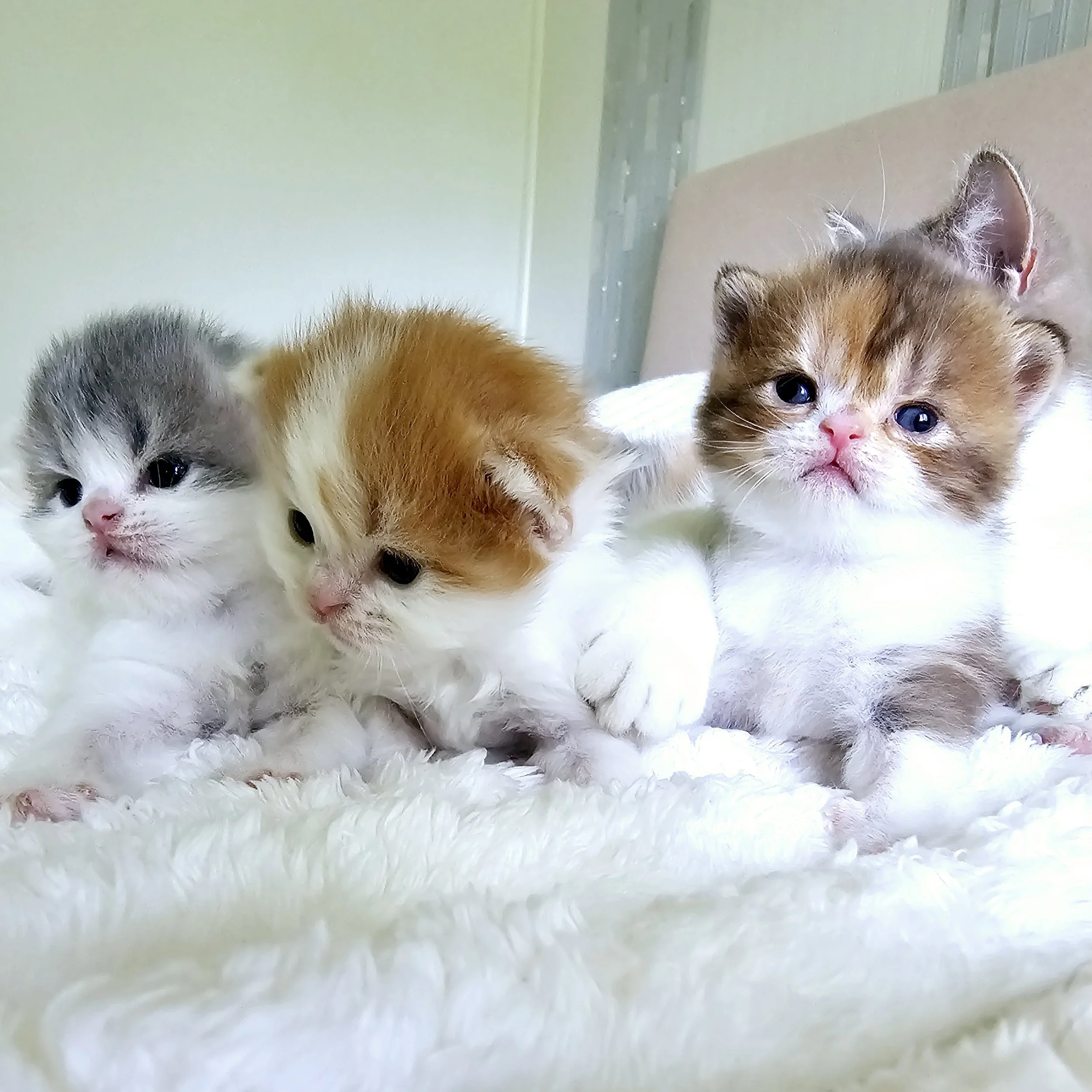
Table of Possible Kitten Colors
| Mother | Father | Possible Males | Possible Females | Notes |
|---|---|---|---|---|
| Blue-Cream Tortoiseshell (dd) | Chocolate (bb) | Blue, Red | Chocolate tortoiseshell, Blue-cream | Dilution from mom; red gene creates red males |
| Chocolate-Red Tortoiseshell | Brown (B-) | Cream | Brown | Dilution + red creates cream; brown without dilution |
| Black-Red Tortoiseshell | Black | Black, Red | Black-Red tortoiseshell, Black | Males inherit X from mom; females combine both |
| Blue-Cream Tortoiseshell | Lilac | Blue, Lilac | Blue-cream, Lilac tortoiseshell | Lilac father + dilution creates lilac shades |
How to Use This Information
For future owners, this knowledge helps:
Understand which colors may appear in a litter.
See why one male kitten is red while his sister is tortoiseshell.
Realize that kitten colors are not random — they are inherited combinations of parental genes.
For breeders, it allows responsible planning and prediction.
Beyond Black and Red
From these two base pigments come:
Blue
Chocolate
Lilac
Cream
Tortoiseshell
Tabby variations
Silver combinations
Bi-colors and white patching
Every shade traces back to black or red — modified by dilution, chocolate genes, or pattern genes.
The Magic of Genetics
At BestOfTheBest Cattery, we don’t just breed beautiful Scottish and British kittens — we understand the genetics behind every litter.
Each kitten is living proof that:
Color follows science.
Science creates beauty.
And genetics makes every litter unique.
Every kitten is a small miracle — but never an accident.