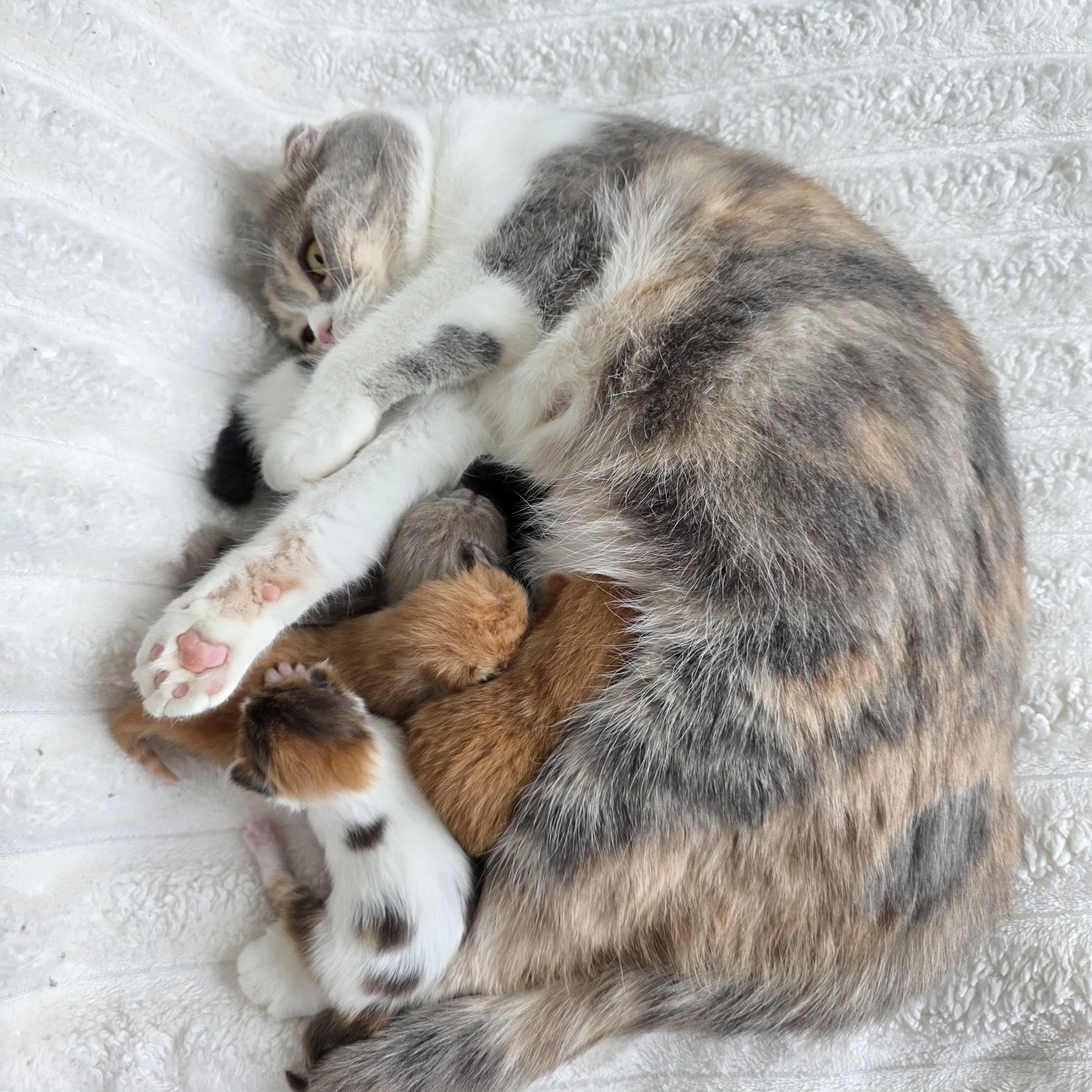
Cat Births: Risks, Complications, and Why Professional Breeders Are Better
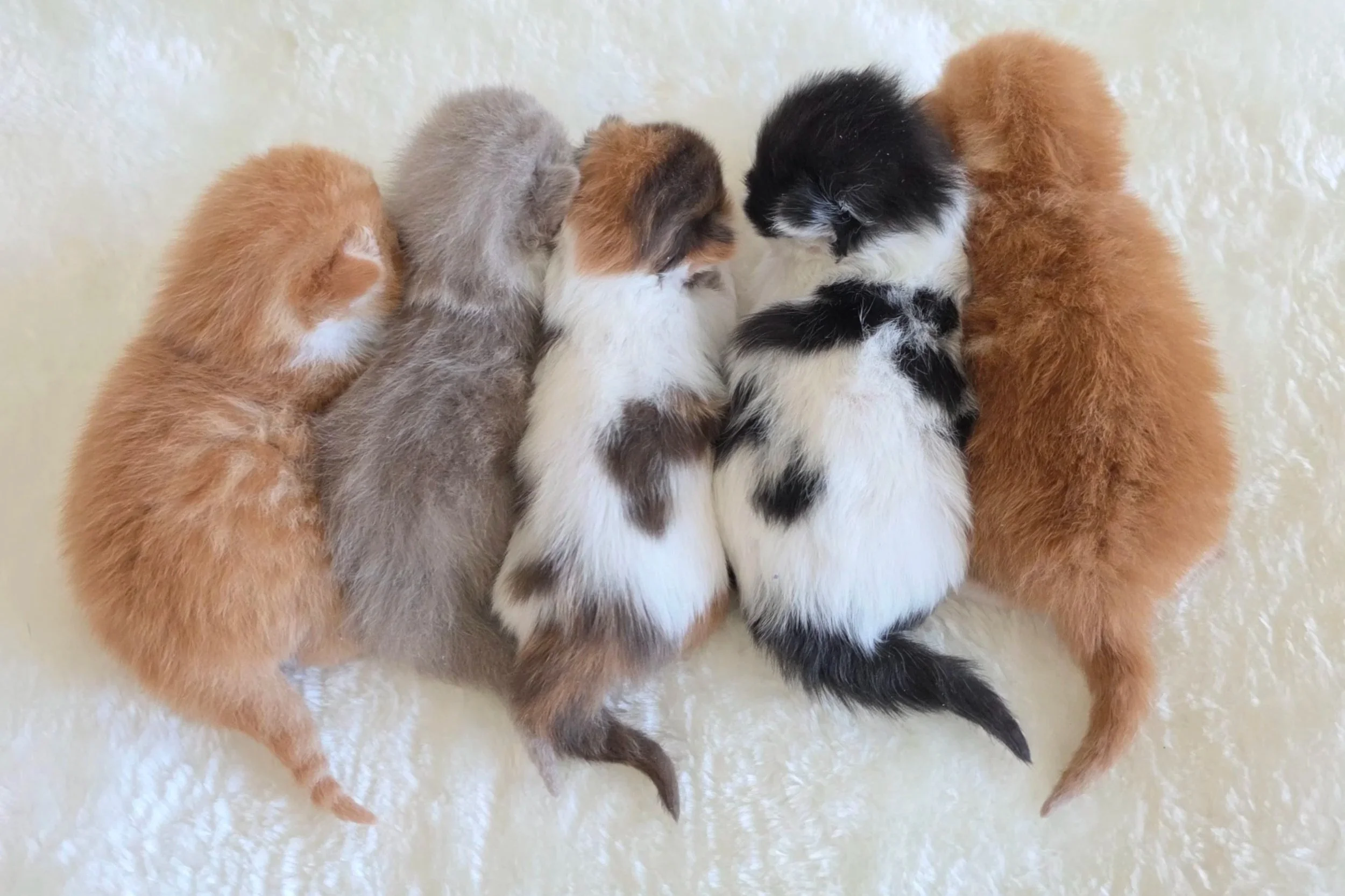
How Cat Births Happen
Cat pregnancy typically lasts 63–70 days. Normal labor can take anywhere from 6 to 24 hours, depending on the number of kittens and the individual queen.
Early signs of labor include:
Restlessness and nesting behavior
Drop in body temperature
Rapid breathing
Loss of appetite
Visible abdominal contractions
During active labor, kittens are usually born every 30–90 minutes. Some pauses between kittens are normal, but extended delays may indicate complications.
Possible Complications During Cat Births
Even healthy pregnancies can develop serious complications. Understanding these risks highlights why professional supervision is essential.
Kitten Getting Stuck (Dystocia)
Dystocia occurs when a kitten cannot pass through the birth canal.
Common causes:
Large kitten size
Incorrect positioning
Weak uterine contractions
Pelvic structure issues
Warning signs:
Strong contractions for more than 20–30 minutes without progress
Parts of a kitten visible but not delivered
More than 2 hours between kittens
Extreme lethargy or distress
Risks include:
Suffocation of the kitten
Uterine infection
Uterine rupture
Maternal death
Dystocia often requires immediate veterinary intervention.
Prolonged Labor and Long Contractions
If the water has broken and the first kitten does not appear within 30 minutes, this is a serious warning sign.
Prolonged labor increases:
Infection risk
Fetal distress
Maternal exhaustion
Emergency C-section likelihood
Time is critical during complicated births.
Postpartum Complications
Risks do not end once kittens are born. After delivery, queens may develop:
Uterine infections (metritis)
Excessive bleeding
Retained placentas
Uterine prolapse
Eclampsia (low calcium levels causing tremors or seizures)
Professional monitoring during the first 24–72 hours is crucial for both mother and kittens.
Genetics and Mate Selection: Why It Matters
Responsible breeding starts long before labor.
Professional breeders conduct extensive genetic screening — often 40+ health tests — to reduce hereditary disease risks and ensure healthy offspring.
Testing includes:
Hereditary disease panels
Blood type compatibility
DNA screening for breed-specific conditions
⚠️ Blood type incompatibility between mother and kittens can result in neonatal death if not managed correctly.
Careful mate selection significantly reduces birth complications and improves long-term kitten health.
Why Cat Births Are Better Managed by a Professional Breeder
Cat births are not simply a “natural process” that always resolve safely. Professional breeders are trained to anticipate, prevent, and respond to complications.
A professional breeder provides:
Proper prenatal care and nutrition
Veterinary supervision
Emergency readiness
Monitoring during labor
Immediate response to dystocia
Post-birth monitoring of mother and kittens
Genetic planning and health documentation
Experience allows early recognition of subtle warning signs that inexperienced owners may miss.
Conclusion
Cat births are complex and carry real risks for both the mother and her kittens. While many deliveries proceed normally, complications can arise quickly and without warning.
A professional breeder ensures:
Careful genetic planning
Blood type compatibility
Veterinary support
Immediate intervention when necessary
Safe postnatal monitoring
Responsible breeding prioritizes health, safety, and the long-term well-being of every kitten.