How to Bathe a Cat Safely and Correctly
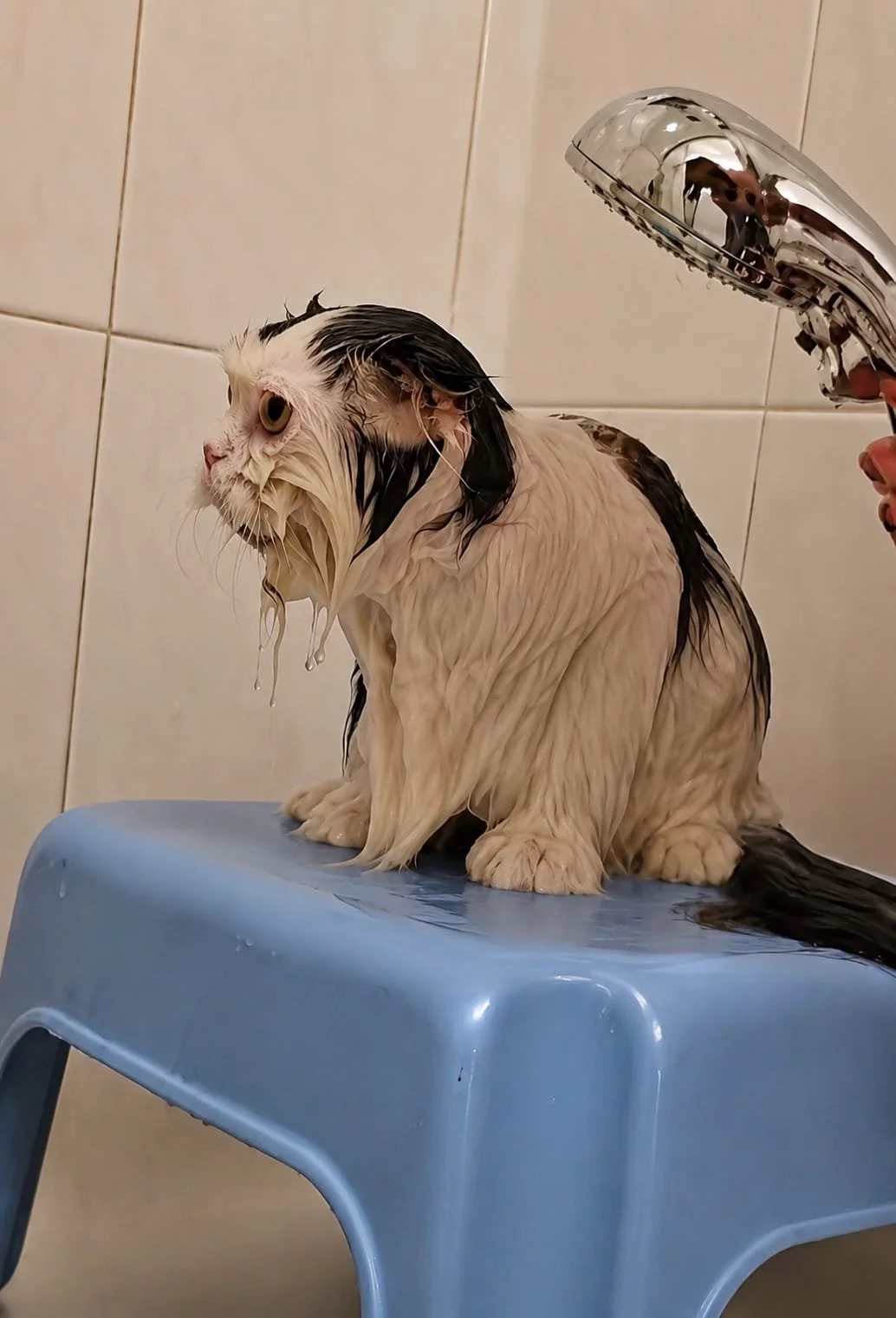
How to Bathe a Cat Safely
Cats are naturally clean animals and usually do a wonderful job grooming themselves. However, there are times when a bath may be helpful or necessary. Bathing should always be done gently, safely, and with the cat’s comfort in mind.
At BestOfTheBest Cattery, our goal is always to keep grooming calm, controlled, and as low-stress as possible.
Can You Bathe a Cat?
Yes, cats can be bathed when necessary. While most cats do not need frequent baths, bathing may sometimes be needed for hygiene, coat care, shedding control, or grooming preparation.
The most important rule is to keep the process calm and safe. A cat should never be forced into a stressful or unsafe situation.
When Does a Cat Need a Bath?
A bath may be helpful in situations such as:
Heavy shedding season
Dirty or oily coat
Long-haired cats with tangles or mats
Kittens who need gentle hygiene help
Grooming preparation
Travel preparation
Coat care before going to a new home
Not every cat needs regular bathing. For many cats, brushing and routine coat care are enough.
Before Bathing: Brushing Is Essential
Before bathing, it is very important to brush the cat thoroughly. Brushing removes loose fur, dead hair, and undercoat before the coat gets wet.
This step helps prevent tangles and mats during the bath. It also reduces shedding after the bath and makes drying faster and easier.
For long-haired cats, brushing before bathing is especially important because wet tangles can become much harder to remove.
Prepare Everything Before You Start
Before bringing the cat into the bathing area, prepare everything you need.
You may need:
Cat-safe shampoo
Several towels
A non-slip mat
A cup or gentle sprayer for rinsing
A brush or comb
A warm, draft-free drying area
The water should be warm, not hot. The room should be quiet, calm, and comfortable.
Safe Handling During Bathing
Safe handling is very important. Some cats are calm during bathing, while others may become nervous or try to escape.
For most cats, gentle hands, a calm voice, and a non-slip surface are enough. The cat should feel secure and supported.
Some experienced breeders or professional groomers may use grooming tools such as a soft grooming bag or small pet harness for extra control with very active or nervous cats. These tools should only be used carefully, gently, and when appropriate. They should never restrict breathing, cause panic, or make the cat feel trapped.
For most pet owners, if a cat is extremely scared or aggressive during bathing, it is better to stop and ask a professional groomer or veterinarian for help.
Bathing a Cat in a Walk-In Shower
A walk-in shower can be a practical and safe place to bathe a cat because it gives more space and better control.
Many breeders prefer to stay inside the shower with the cat to help keep the cat calm and prevent sudden movements. A stable non-slip mat or small secure stool can help the cat feel more balanced.
When bathing in a shower, always use gentle water pressure. Avoid spraying directly into the face, ears, eyes, or nose.
Keep the process simple:
Wet the coat gently
Apply cat-safe shampoo
Massage softly
Rinse very well
Keep the cat calm and supported
Rinsing is very important. Leftover shampoo can irritate the skin.
How to Dry a Cat After Bathing
After bathing, towel dry the cat first. Use soft towels and gently press water out of the coat instead of rubbing harshly.
Some cats tolerate a dryer on low heat and low airflow. Others are frightened by the sound. If using a dryer, keep it at a safe distance and avoid overheating.
The cat should be kept in a warm, draft-free area until fully dry. This is especially important for kittens, older cats, and long-haired cats.
Drying in a Carrier
Drying may be finished in a clean, dry, well-ventilated carrier if the cat is calm and already mostly towel-dried.
The carrier should have soft bedding and good airflow. The cat should be checked often to make sure they are comfortable, warm, and not overheated.
A carrier should never be used as a way to trap a wet or stressed cat. It should only be a safe resting space after the cat is mostly dry and calm.
After Grooming Care
Once the cat is clean, dry, and calm, allow time to rest. A quiet warm space with soft bedding can help the cat relax after grooming.
Some cats may want to hide for a little while. Others may want food, treats, or affection. Let the cat recover at their own pace.
Important Safety Rules
Never use human shampoo on cats.
Never use hot water.
Never spray water directly into the face.
Never leave a wet cat in a cold or drafty area.
Never force a highly stressed cat to continue bathing.
Never leave a cat unattended while drying.
If a cat has severe mats, skin irritation, fleas, wounds, or a medical condition, ask a veterinarian or professional groomer before bathing.
Final Thoughts
Bathing a cat should always be about safety, comfort, and gentle care. Some cats need occasional baths, while others do well with brushing and routine grooming only.
The best grooming experience is calm, prepared, and patient.
At BestOfTheBest Cattery, we raise Scottish Fold, Scottish Straight, and British Shorthair kittens with gentle handling and early care to help them become confident, well-socialized companions. Understanding proper grooming helps families keep their cats healthy, clean, and comfortable at home.
Veterinary & Cat Care Resources
American Veterinary Medical Association (AVMA)
Good for veterinary wellness and pet care references.ASPCA Cat Care Guide
Helpful general cat care resource.International Cat Care
Excellent educational resource for stress reduction and cat behavior.AAFP – American Association of Feline Practitioners
Trusted feline health and behavior information.