Scottish Cats: Breed History, Fold and Straight, Temperament and Care
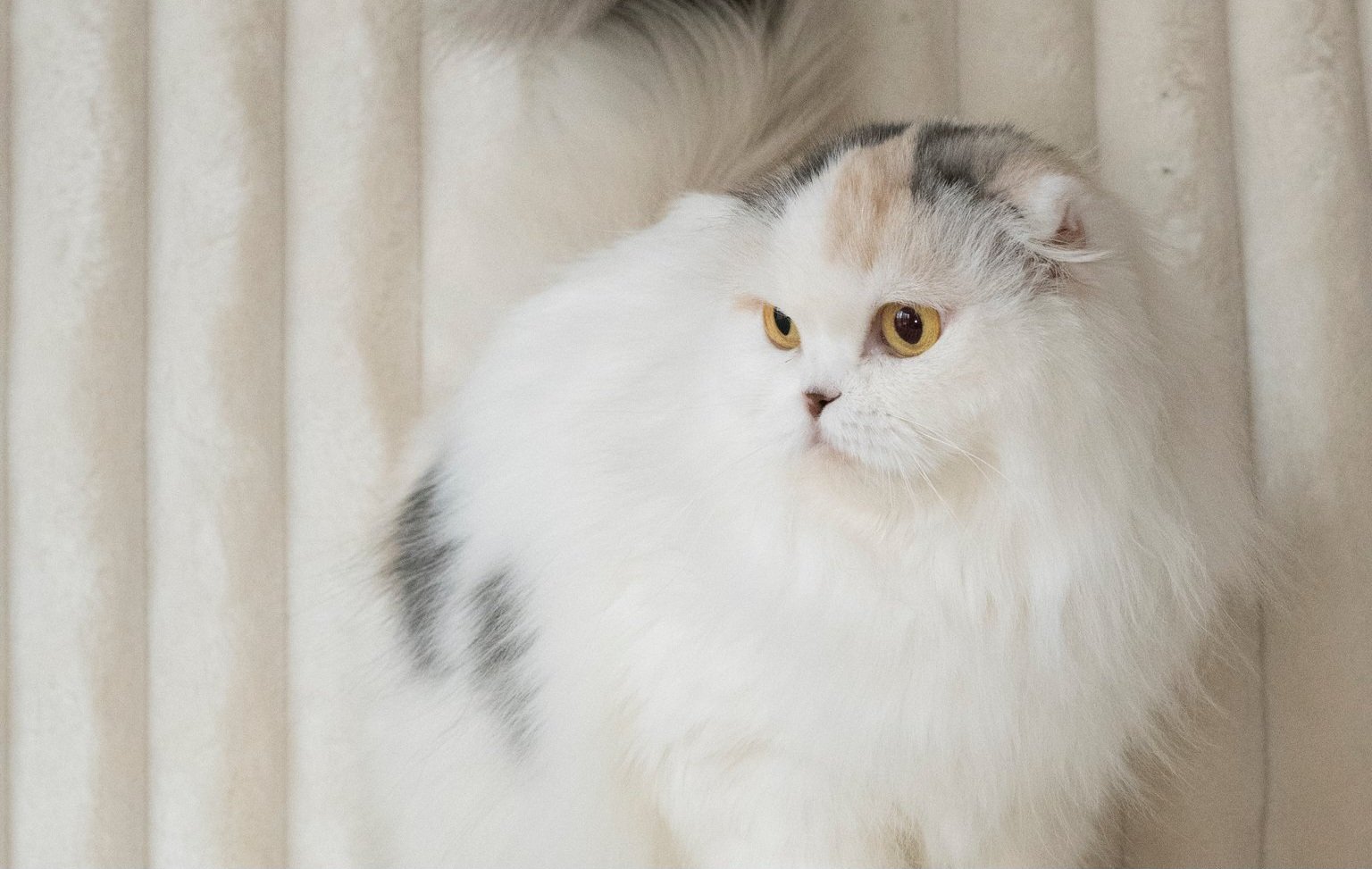
History and Founder Breeds of Scottish Cats
Scottish cats originated in Scotland in the 1960s, beginning with a white barn cat named Scottish Fold. The breed developed from natural ear-fold mutation and careful, responsible breeding.
Several breeds helped shape the modern Scottish cat:
British Shorthair — the foundation of the breed, contributing round faces, plush coats, and calm temperament.
Persian cat — introduced to develop the longhair variety (Scottish Longhair/Highland Fold).
Burmese cat and Oriental Shorthair — occasionally used to refine head shape, eye expression, and elegance.
Today, responsible breeders focus on health, structure, and temperament while preserving the signature round appearance.
Fold vs Straight
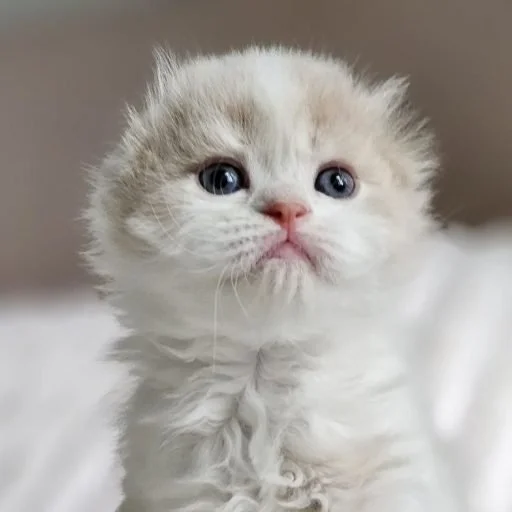
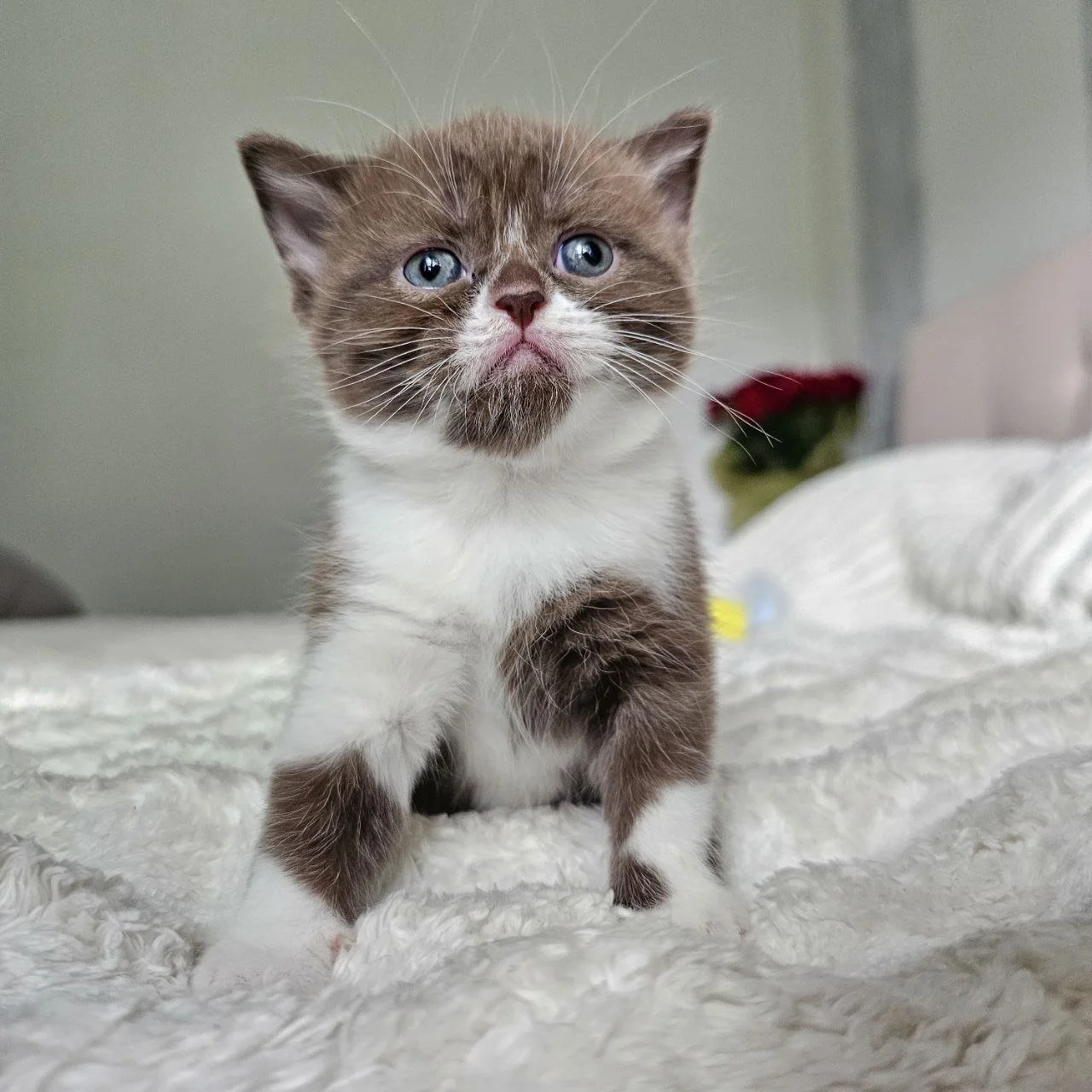
Scottish kittens are born with straight ears. Around 3 weeks of age, the difference becomes visible.
Fold
Ears fold forward and downward
Rounded head profile
Distinctive “owl-like” expression
Straight
Upright ears
Classic cat silhouette
Same genetics except for ear fold gene
Both types share the same temperament and personality traits.
Patience and Temperament
Scottish cats are known for their gentle, balanced character.
Easygoing with children
Friendly with other pets
Calm and observant
Adapt quickly to new homes
They are affectionate but not overly demanding. Their natural patience makes early socialization smooth and safe.Patience and Temperament
Caring for Scottish Cats
Proper care keeps your Scottish cat healthy and happy.
Coat Care
Short-haired: brush 1–2 times per week
Long-haired: brush more frequently to prevent tangles
Nutrition
Balanced high-quality dry and wet food
Soft meat can be added as a supplement
Always provide fresh water
Health Maintenance
Routine vaccinations
Regular parasite control
Annual veterinary check-ups
Fold-Specific Care
Fold cats require special attention to ear hygiene.
Because the ears are folded, wax may accumulate more easily. Regular gentle checks are important.
Recommended care:
Gentle cleaning with cotton pads or vet-approved solutions
Regular monitoring for redness or irritation
Joint support supplements with glucosamine (after veterinary consultation)
With proper care, Fold cats live healthy and comfortable lives.
Conclusion
Scottish Fold and Straight cats represent the perfect balance of thoughtful breeding and calm temperament.
They are intelligent, affectionate, and adaptable — ideal companions for families and individuals alike. With proper grooming, balanced nutrition, and attention to Fold-specific ear care, Scottish cats thrive for many years.
Further Reading & Official Breed Standards
The International Cat Association (TICA) – Scottish Fold Breed
Cat Fanciers’ Association (CFA) – Scottish Fold Breed Profile
International Cat Care – Scottish Fold Health Overview
Cornell Feline Health Center – General Cat Health Resources